Counselling & Support: Why is Early Childhood Counselling Important for Parents and Teachers?
The foundational years of a child’s life—from birth to age 5—are the most critical for their mental, physical, and emotional development. At the International Early Childhood Education Association (IECEA), we believe that to protect the rights of children and enrich their childhood, we must support the adults who care for them.
This is why Counselling & Support is one of our core international programs. Early childhood counselling is not just about fixing a child’s behavior; it is about empowering parents and teachers with the right tools, knowledge, and emotional support to nurture the next generation.
In this blog, we will explore what early childhood counselling is and why it is absolutely essential for both parents and educators.
What is Early Childhood Counselling?
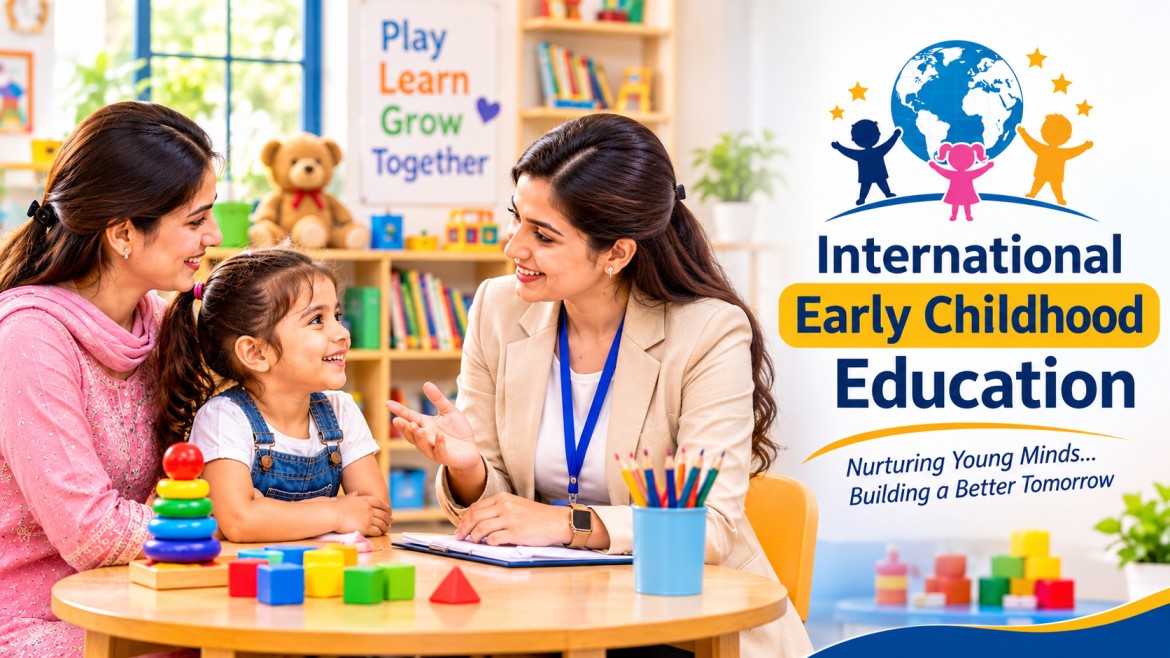
Early childhood counselling is a specialized form of support that focuses on the developmental needs of children aged 0 to 5 years. However, it doesn’t just involve the child. It is a collaborative process that includes parents, teachers, and caregivers.
The goal is to address behavioral challenges, developmental delays, emotional struggles, and the overall well-being of the child. Counsellors provide a safe space for adults to discuss their concerns, learn effective parenting and teaching strategies, and understand the psychological needs of young children.
Why is Early Childhood Counselling Important for Parents?
Parenting is a beautiful journey, but it comes with immense challenges and stress. Many parents feel overwhelmed by their child’s tantrums, eating habits, or developmental milestones. Here is why counselling is crucial for them:
Understanding Developmental Milestones
Every child develops at their own pace. However, parents often worry if their child is speaking or walking later than others. Counsellors help parents understand the difference between a normal developmental variation and a potential delay, providing early intervention strategies if needed.
Managing Behavioral Challenges
Toddler tantrums, biting, or extreme separation anxiety can leave parents feeling helpless. Early childhood counselling provides practical, positive discipline techniques. Instead of shouting or punishing, parents learn how to communicate effectively with their young children.
Parental Mental Health and Stress Management
A parent’s mental health directly impacts the child. Counselling offers emotional support to parents who are dealing with postpartum depression, work-life balance issues, or the general stress of raising a child. A calm and supported parent raises a calm and secure child.
Why is Early Childhood Counselling Important for Teachers?
Teachers and early childhood educators (such as Play School teachers, Anganwadi workers, and NTT professionals) are the second most important adults in a child’s life. They, too, need continuous support.
Creating a Supportive Classroom Environment
Early childhood counselling trains teachers to handle diverse classrooms. Whether a child is overly aggressive or extremely shy, teachers learn behavior management strategies that foster a safe and inclusive environment for all students.
Identifying Early Signs of Abuse or Neglect
Unfortunately, early childhood professionals are often the first to notice signs of child abuse, neglect, or child labour. Counselling training helps teachers identify these red flags, understand their legal responsibilities (Child Rights), and report issues to the authorities safely and correctly.
Preventing Teacher Burnout
Teaching young children is physically and emotionally exhausting. Counselling provides educators with stress-management techniques, helping them regulate their own emotions so they don’t carry frustration into the classroom.
How Does IECEA Support Parents and Teachers?
At the International Early Childhood Education Association, we run several programs that cover health, nutrition, early education, and social services. Through our Counselling & Support with Parent E.C.A and E.C.A Training and Awareness Programs, we aim to:
-
Bring parents, children, and teachers together.
-
Provide resources, latest research, and training.
-
Offer solutions and counseling to those working in Play Schools, Institutes, NTT Centers, and Hospitals.
-
Protect the rights of the child and stop child labour globally.
We invite you to join us as a member so that our programs and activities can reach and shape childhood initiatives worldwide.
Frequently Asked Questions (FAQ)
Q1: Is early childhood counselling only for children with special needs?
A: No. It is for any parent, teacher, or child who is facing emotional, behavioral, or developmental challenges. It is also for proactive parents who simply want to learn better ways to support their child’s growth.
Q2: How does a teacher know if a child needs counselling?
A: Teachers should look out for drastic changes in behavior, such as sudden withdrawal, extreme aggression, regression in skills (like bedwetting after being potty-trained), or an inability to focus. If a teacher notices these signs consistently, they should suggest to the parents to seek professional counselling.
Q3: Can early childhood counselling help in stopping child labour?
A: Yes. By educating parents, teachers, and communities about child rights and the psychological damage caused by child labour, counselling helps change mindsets. It also helps in rehabilitating children who have been rescued from child labour by providing them with trauma-informed support.
Q4: How can I get counselling support from IECEA?
A: IECEA runs training and awareness programs. For any questions regarding our programs, or to learn how to get involved as a member, please email us at international.iece@gmail.com.
Conclusion
The early years of a child’s life are the most important. By providing Counselling & Support to the adults who surround them, we are directly protecting the child’s rights and securing their future.
If you are a parent, teacher, or an institute working with children, you are not alone. Join the International Early Childhood Education Association today and help us build a sustainable, supportive system for children everywhere.
Apply for Membership today and be a part of the change!
Discover why early childhood counselling is vital for parents and teachers. Learn how the International Early Childhood Education Association (IECEA) provides crucial support and training for child development.