Green Preschools: Building Sustainable and Eco-Friendly Early Learning Centres (2027 Guide)
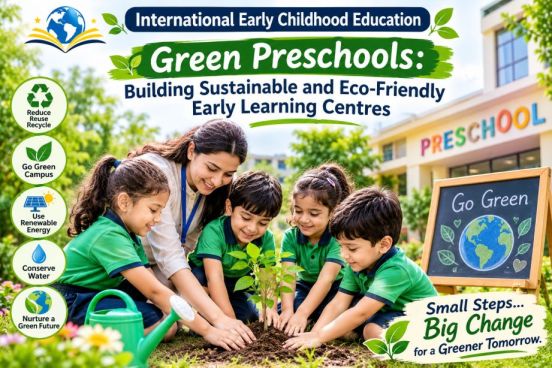
Green preschools use sustainable design, eco-friendly materials, water and energy saving practices, and nature-based learning to cut costs and build environmental values. In 2027, Indian early learning centres can go green with low-cost steps like waste segregation, outdoor play and local materials.
This guide is for Indian preschool owners, Anganwadi supervisors, ECE educators and eco-conscious parents. It connects global sustainability goals with India’s NEP 2020 push for environmental awareness in the foundational stage.
What Are Green Preschools?
A green preschool is an early learning centre that reduces environmental impact while teaching children to care for nature. Green preschools combine sustainable infrastructure with eco-friendly daily habits and a nature-based curriculum.
UNESCO and UNICEF consistently link quality early childhood with safe, healthy and stimulating environments — including green spaces.
Why this matters to you: If you run a preschool, green steps lower utility bills, attract eco-aware parents and improve children’s health and attention.
Why Green Preschools Matter in 2027
Air quality, heat waves and water scarcity affect Indian cities every year. Children aged 3–8 are especially vulnerable. Green preschools address these risks while building lifelong habits.
The World Economic Forum lists environmental stewardship as a growing skill area. Early years are the right age to start.
Why this matters to you: Green preschools are not a trend — they prepare children for a climate-aware future.
Benefits of Green Preschools for Children, Parents and Owners
1. Healthier Children
Clean air, natural light and non-toxic materials reduce respiratory issues and stress. Outdoor play supports physical development and concentration.
2. Lower Operating Costs
Solar panels, LED lights, rainwater harvesting and waste segregation reduce monthly bills over time (industry estimate: 10–25% savings on utilities within 2–3 years).
3. Stronger Brand Trust
Eco-friendly positioning attracts urban and Tier-2 parents who care about sustainability.
4. Better Learning Outcomes
Nature-based play improves creativity, observation and problem-solving. OECD notes links between quality learning environments and child development.
5. Compliance and Future-Readiness
Green practices align with NEP 2020’s environmental education goals and global ECE quality frameworks.
Why this matters to you: Green preschools deliver both social and business benefits — good for children and good for reputation.
Sustainable Practices: Green Preschool Checklist for 2027
- ☐ Segregate waste into wet, dry and e-waste bins at child height.
- ☐ Replace plastic toys with wood, cloth and recycled materials.
- ☐ Install LED lights and, where possible, solar panels.
- ☐ Harvest rainwater and use it for gardens and cleaning.
- ☐ Set up a kitchen or terrace garden for children to tend.
- ☐ Use non-toxic, low-VOC paints for classrooms.
- ☐ Ensure daily outdoor play in green or shaded areas.
- ☐ Train staff in eco-friendly cleaning and safety.
- ☐ Share monthly sustainability tips with parents.
- ☐ Run a quarterly “green day” with children and families.
Green Preschool Design Ideas for the Indian Climate
Natural Light and Ventilation
Large windows, cross-ventilation and light-coloured roofs reduce heat and electricity use. This matters in hot cities like Jaipur and Indore.
Water-Saving Fixtures
Low-flow taps and toilets save thousands of litres per month, especially in water-scarce cities like Mumbai and Patna.
Green Outdoor Spaces
Shaded play areas, native plants and small gardens improve air quality and give children daily nature contact.
Low-Cost Green Materials
Recycled paper, jute mats, mud play areas and local wood are affordable and safe alternatives to plastic-heavy setups.
Why this matters to you: You do not need a big budget to start. Small, climate-smart changes deliver visible results.
Estimated Cost of Greening an Indian Preschool in 2027
| Green upgrade | Estimated cost (₹) | Impact area |
|---|---|---|
| LED lighting for 3 classrooms | ₹15,000–₹30,000 | Energy savings, health |
| Waste segregation bins (child height) | ₹5,000–₹12,000 | Curriculum, habits |
| Rainwater harvesting (small rooftop unit) | ₹40,000–₹1,00,000 | Water savings |
| Kitchen/terrace garden setup | ₹8,000–₹25,000 | Learning, nutrition |
| Solar panels (3–5 kW, rooftop) | ₹1,80,000–₹3,50,000 | Energy savings, brand |
| Non-toxic paints and eco-materials | ₹25,000–₹75,000 | Health, safety |
Figures are industry estimates and vary by city, centre size and vendor. Get local quotes before finalising.
Why this matters to you: Start with low-cost items first and reinvest savings into the next green upgrade.
Green vs Traditional Preschool: Comparison
| Area | Traditional preschool | Green preschool |
|---|---|---|
| Energy | Grid power, high bills | LED + solar, lower bills |
| Materials | Mostly plastic toys | Wood, cloth, recycled |
| Learning | Indoor, worksheet-heavy | Outdoor, nature-based play |
| Health | Indoor air quality issues | Better ventilation and green spaces |
| Parent appeal | Standard | Strong eco-brand positioning |
| Compliance | Basic | Aligned with NEP 2020 goals |
Age-Wise Green Curriculum for Early Learning Centres
Ages 3–4: Nature Play and Sensory Learning
Leaves, sand, mud, water play and simple gardening. Teach children to plant seeds and observe growth.
Ages 5–6: Waste Segregation and Water Saving
Sorting bins, saving tap water, feeding birds and simple recycling crafts.
Ages 7–8: Eco-Projects and Community Action
Small projects like a class garden, a paper-recycling drive or a “no-plastic week.” Link to local environmental issues.
Why this matters to you: Age-wise design keeps activities safe, engaging and developmentally appropriate.
7-Step Plan to Turn Your Preschool Green in 2027
- Do a quick green audit: energy, water, waste and materials.
- Start with low-cost fixes: LED bulbs, waste bins and paper recycling.
- Set up a small garden or green corner for daily nature contact.
- Train teachers on eco-friendly activities and safety.
- Introduce an age-wise green curriculum across all classes.
- Communicate progress to parents monthly and invite participation.
- Plan one larger upgrade each year — rainwater harvesting or solar.
How Parents Can Support Green Preschools
Parents can send reusable water bottles and lunch boxes, avoid single-use plastic, join “green day” events and reinforce habits at home. Small daily actions help children internalise sustainable behaviour.
For structured support, explore our ECE training and audit programs and our teacher training modules.
Why this matters to you: School and home consistency is what makes green habits stick.
Frequently Asked Questions
1.What is a green preschool?
A green preschool is an early learning centre that reduces environmental impact through sustainable design and eco-friendly practices. It uses energy and water saving methods, non-toxic materials, nature-based play and waste segregation. Green preschools also teach children environmental values from ages 3–8.
2. How can preschools become eco-friendly?
Preschools can become eco-friendly by switching to LED lights, segregating waste, replacing plastic toys with wood and cloth, setting up gardens, harvesting rainwater and training staff. Low-cost steps come first. Larger upgrades like solar panels follow once savings build up.
3. Why is sustainability important in early childhood education?
Early childhood is when habits form. Sustainability education builds environmental awareness, responsibility and healthy routines. It also improves child health through cleaner air, natural light and outdoor play. NEP 2020 and global ECE frameworks support environmental learning from the foundational stage.
4. What are examples of sustainable ECE practices?
Examples include waste segregation bins at child height, kitchen or terrace gardens, rainwater harvesting, LED and solar lighting, non-toxic paints, paper recycling, reusable materials and daily outdoor play. Even simple habits like saving tap water and sorting waste count as sustainable ECE practices.
5. How can parents teach sustainability to young children?
Parents can model daily habits: carrying reusable bags, sorting waste, saving water and walking short distances. Involve children in planting, watering plants and simple recycling crafts. Talk about why these actions matter in simple language, and celebrate small green wins together.
6. What is the cost of making a preschool green?
Costs vary widely. Low-cost steps like LED lights and waste bins cost ₹5,000–₹30,000 (estimated). Larger upgrades like rainwater harvesting cost ₹40,000–₹1,00,000. Solar panels can cost ₹1.8 lakh–₹3.5 lakh for 3–5 kW. Start small and reinvest savings.