Common Preschool Illnesses: When to Send Your Child to School and When to Rest (2027)
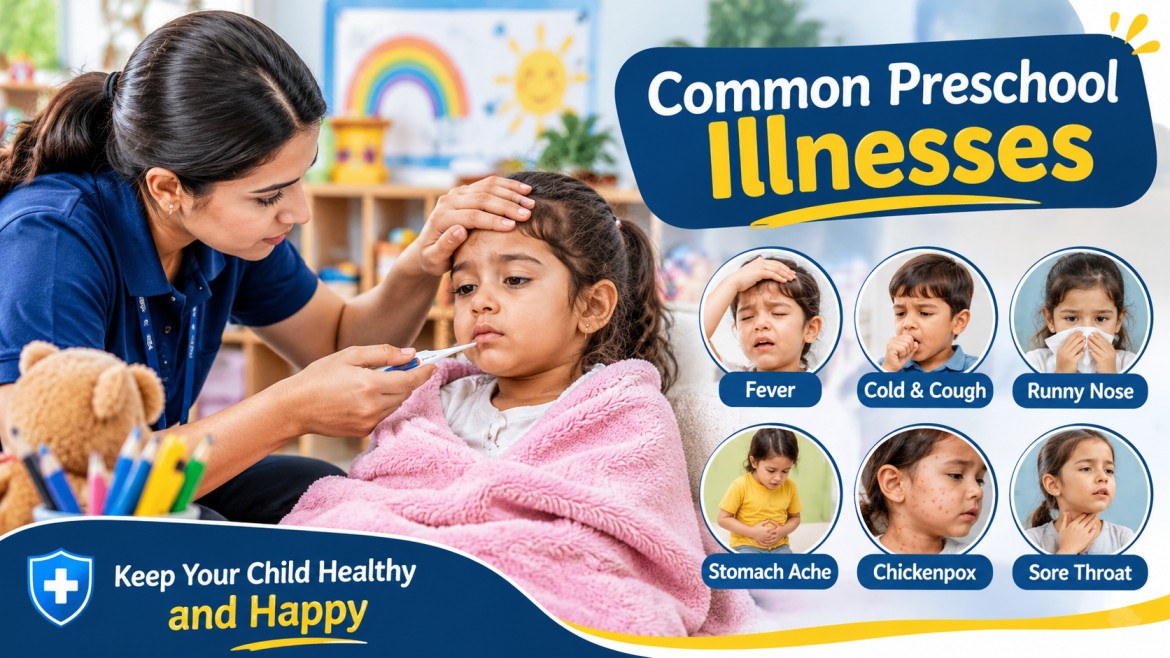
Keep your preschooler home if they have a fever of 100.4°F (38°C) or higher, have vomited or had diarrhea in the last 24–48 hours, or have a contagious rash or eye infection with discharge. A mild runny nose with normal energy and appetite usually does not require staying home.
Every preschool morning brings the same silent question: Is this “stay home” sick, or “go to school” sick? The answer is rarely black-and-white—but health guidelines and preschool policies give you clear red lines. This guide turns those lines into a simple decision system you can use before 8 a.m.
Why this matters to you: Sending a contagious child to school risks other kids, stresses teachers, and often leads to a call-home within two hours. Keeping a well-enough child home “just in case” costs you workdays and disrupts their routine. The goal is precision, not paranoia.
The 2-Minute Rule: When “Stay Home” Is Non-Negotiable
Some symptoms are automatic “no-school” signals. These are the two most common.
Fever: The 100.4°F / 38°C Line
A temperature of 100.4°F (38°C) or higher means the immune system is actively fighting an infection. Most preschools and health departments require a child to be fever-free for 24 hours without fever-reducing medication before returning This is not about the number on the thermometer—it is about contagiousness. A child can look fine after paracetamol but still be in the most contagious phase
Why this matters to you: If you “mask” a fever with medicine and send your child, you are sending a child who is still contagious and may crash by mid-morning.
Vomiting and Diarrhea: The 24–48 Hour Wait
Two or more episodes of vomiting in 24 hours, or repeated watery stools, mean the child should stay home For diarrhea, most guidelines recommend waiting 48 hours after the last episode before returning. For vomiting, at least 24 hours symptom-free is the minimum, with 48 hours being safer for preschool settings
Why this matters to you: Stomach bugs spread through shared toys, toilets, and hands faster than any other illness in preschool. One sick day prevents a classroom outbreak.
Preschool Illness Exclusion Chart 2027: Quick Reference
Use this table as your morning shortcut. It reflects common health-department and preschool guidelines used in 2027.
| Illness | Keep Home? | Return Criteria | Source basis |
|---|---|---|---|
| Fever (100.4°F / 38°C+) | Yes | Fever-free 24 hours without medication | Amrita Hospital, 2025 |
| Vomiting | Yes (2+ episodes in 24 hrs) | 24–48 hours symptom-free | Indiana FSSA policy |
| Diarrhea | Yes (repeated watery stools) | 48 hours after last episode | Healthily, 2025 |
| Pink Eye (bacterial) | Yes (with discharge) | 24 hours after treatment starts | Indiana FSSA policy[ |
| Strep Throat | Yes | 24 hours on antibiotics + fever-free | UCLA Health; Delaware DHSS |
| Chickenpox | Yes | All blisters crusted/dried (usually 5–7 days) | Te Whatu Ora NZ; GPnotebook 2026 |
| Hand, Foot & Mouth | Usually yes (if fever or drooling) | Fever gone + blisters dried + able to participate | Missouri DHSS; Tasmania Health |
| Common Cold (mild) | No, if energy/appetite normal | No exclusion required | KidsHealth |
Respiratory Illnesses (Cold, Cough, Flu)
A mild cold with clear mucus, normal energy, and normal appetite is not a reason to stay home. KidsHealth notes that “a child who has the sniffles but hasn’t slowed down at home is likely well enough for the classroom”. However, a persistent cough that disrupts sleep or breathing, or a child who is lethargic and not drinking, should stay home.
Why this matters to you: Over-keeping a child with a mild cold creates unnecessary absence. Under-keeping a child with flu-like fatigue leads to a miserable day for the child and a call-home for you.
Rash and Skin Infections (Chickenpox, HFMD, Impetigo)
Chickenpox requires exclusion until all blisters have dried and crusted, typically 5–7 days from rash onset[ Hand, Foot, and Mouth Disease (HFMD) is more nuanced: many health departments allow return once fever is gone and the child can participate, even if sores are still visible. Impetigo requires 24 hours of antibiotic treatment before return.
Why this matters to you: Chickenpox and HFMD are highly contagious in preschool settings. Returning too early can trigger a classroom outbreak and school-wide notices.
Eye and Throat Infections (Pink Eye, Strep Throat)
Bacterial conjunctivitis (pink eye with yellow/green discharge) requires exclusion until 24 hours after antibiotic treatment begins. Allergic pink eye without discharge does not require exclusion. Strep throat requires 24 hours on antibiotics and a normal temperature before returning.
Why this matters to you: These are the two illnesses where a doctor’s note and a single day of treatment change the return timeline completely.
“Mild Symptoms” vs. “Must Rest”: How to Decide
When a Runny Nose Is Just a Runny Nose
Clear mucus, no fever, normal eating, normal playing = school is fine. Cloudy or colored mucus alone is not a reliable sign of severity; how the child behaves matters more.
The Behavior Test: Energy, Appetite, and Mood
Ask three questions:
- Is my child alert and interested in play?
- Are they drinking and eating roughly normally?
- Can they comfortably participate in a preschool day (circle time, outdoor play, rest)?
If the answer is “no” to any of these, rest at home is the better choice—even without a fever
Why this matters to you: Preschool is not just childcare—it is active learning. A child too unwell to participate gains little from being there and may spread illness.
Return-to-School Rules After Common Illnesses
After Fever
Rule: 24 hours fever-free without paracetamol or ibuprofen. Check the temperature in the morning before school, not just the night before.
After Stomach Bugs
Rule: 24 hours after last vomit; 48 hours after last diarrhea episode. Keep hydration up with ORS or home fluids.
After Antibiotics (Strep, Impetigo)
Rule: 24 full hours of antibiotic treatment and fever-free before returning
What Indian Preschools and Daycares Actually Follow in 2027
There is no single national preschool illness law in India. Policies vary by school. A 2027 Hyderabad preschool policy, for example, requires fever-free for 24 hours, symptom-free for 48 hours after vomiting/diarrhea, and a doctor’s clearance for infectious illnesses. An AIIMS Bhubaneswar daycare policy focuses on outbreak management and immunization status.
Why Policies Differ (and What to Ask Your School)
Private preschools often set stricter rules than public health minimums. Ask your school three questions at admission:
- What is your specific fever return policy?
- Do you require a doctor’s note after strep throat, pink eye, or chickenpox?
- What is your call-home protocol if a child becomes unwell during the day?
Why this matters to you: Knowing your school’s written policy prevents morning arguments and last-minute confusion.
A Parent’s 7-Point Morning Checklist
Run this checklist before you pack the school bag:
- ☐ Temperature check: Is it below 100.4°F (38°C) without medicine?
- ☐ Stomach check: Any vomiting or diarrhea in the last 24 hours?
- ☐ Energy check: Is my child alert and interested in the day?
- ☐ Appetite/fluid check: Are they drinking and eating normally?
- ☐ Rash/eye check: Any new blistery rash, or eye discharge?
- ☐ Breathing check: Any persistent cough or difficulty breathing?
- ☐ Behavior check: Are they unusually irritable, clingy, or lethargic?
If any red-flag item is present, choose rest. If all are clear, school is likely fine.
FAQ: Preschool Illnesses and School Decisions
1. Can my child go to preschool with a mild cold?
Yes, if they have clear mucus, no fever, normal energy, and normal appetite. A child who is playing normally at home is generally well enough for the classroom.
2. How long after vomiting can a child return to school?
Wait at least 24 hours after the last episode. Many preschools and health guidelines recommend 48 hours symptom-free for vomiting and diarrhea to prevent classroom spread.
3. Does pink eye always mean staying home?
Only bacterial conjunctivitis with yellow/green discharge requires exclusion—until 24 hours after treatment starts. Allergic or viral pink eye without discharge may not require staying home.
4. When can a child with strep throat go back to school?
After 24 full hours on antibiotics and a normal temperature. They are considered non-contagious after that window.
5. Can a child with hand, foot, and mouth disease go to school?
Often yes, once fever is gone and they can participate comfortably—even if blisters are still visible. Check your school’s specific policy, as some require blisters to be dried.
6. What if my child has a fever but seems fine after medicine?
Keep them home. A fever reduced by paracetamol does not mean the infection is gone. The child is still contagious and should be fever-free for 24 hours without medicine before returning.