Toilet Training Without Pressure: A Gentle Step-by-Step Guide (2027)
Direct answer: Gentle toilet training starts when the child shows readiness signs — usually between 18 and 30 months — and uses familiarisation, positive reinforcement and zero punishment. Pressure-based training (timed potty sits, shame, comparison) trains the parent, not the child; child-led training builds genuine bladder and bowel control with less stress and faster results.
In 2027, Indian parents are caught between traditional early-training scripts and modern developmental research. This guide gives you a clear, pressure-free path that respects your child’s timeline and your family’s reality.
The Direct Answer: Readiness Beats Pressure
The key to successful toilet training is recognising readiness, not watching the calendar. The Merck Manual (2026) states that most children can be trained for bowel control between 2 and 3 years, and for daytime urinary control between 3 and 4 years. Readiness signs usually appear between 18 and 30 months[reference:0].
A child who is pushed before readiness can take months and develop anxiety. A child who is ready often learns in days[reference:1].
Why “Training Early” Often Trains the Parent, Not the Child
Traditional Indian practice — holding a baby over the potty at predictable times — is a form of elimination communication (EC). It is not true training. The adult learns the baby’s rhythms; the child is not recognising the urge, holding it, and managing the process independently[reference:2]. True training — where the child recognises the sensation, holds on, gets to the toilet and manages clothing — usually develops between 2 and 3 years[reference:3].
Why this matters to you: Understanding this distinction removes guilt, ends unhelpful comparisons, and helps you focus on the skill your child actually needs.
The Problem With Pressure: What Indian Families Get Wrong
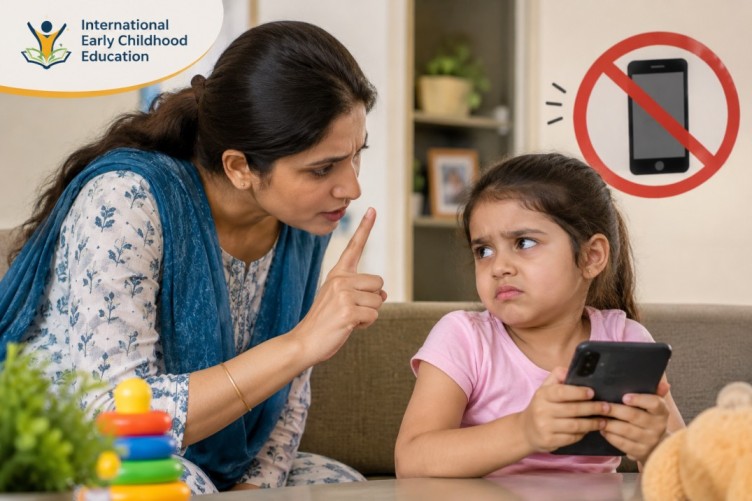
Pressure comes in many forms: strict schedules, punishment for accidents, shaming, or constant comparison with cousins. In Indian joint families, grandparents often push for early training — “We trained you by one!” — which creates guilt and rushed decisions[reference:4].
The Grandparent Conversation: “We Trained You by One”
Your mother is probably remembering accurately. But she is describing a different thing: adult-led timing, not child-led control. You are both right; you are talking about two different skills[reference:5]. Reassure relatives that waiting for readiness leads to faster, more stress-free training.
What Pressure Actually Does to the Child
Pressure activates the stress response. A frightened or shamed child cannot learn a complex physical skill. Research on authoritative parenting and toilet training (2026) shows that supportive guidance and positive reinforcement significantly influence success and emotional readiness — while harsh practices delay progress and create power struggles.
Why this matters to you: Every time you choose patience over pressure, you protect your child’s confidence and make the process shorter, not longer.
Signs Your Child Is Ready (Not the Calendar)
Look for several signs together, not just one. Readiness spans physical, cognitive, emotional and language domains.
The Five Readiness Domains
| Domain | Signs to Look For | Indian Context Example |
|---|---|---|
| Physical | Stays dry for 2+ hours; can sit stably on a potty; can pull pants up and down with help | Child stays dry through a morning at home or a short outing |
| Cognitive | Can follow a simple two-step instruction; understands potty words | “Bring your shoes and sit here” — child does both |
| Emotional | Dislikes wet or dirty diaper; shows interest in the toilet; wants independence (“main karunga!”) | Child pulls at a wet diaper or follows you to the bathroom |
| Language | Uses words, gestures or a distinctive posture to signal need | Says “susu”, “potty”, or squats in a recognisable way |
| Bowel regularity | Predictable bowel movements, often after meals | Child passes stool at a similar time each day |
Readiness Checklist for Indian Parents
- ☐ Stays dry for at least 2 hours during the day.
- ☐ Shows discomfort when wet or soiled and asks to be changed.
- ☐ Can walk to the potty and sit on it independently.
- ☐ Can pull pants down and up with some help.
- ☐ Follows a simple two-step instruction.
- ☐ Uses a word, gesture or posture to signal the need to go.
- ☐ Shows curiosity about the bathroom or copies others.
- ☐ Has a predictable bowel movement pattern.
Why this matters to you: When at least four or five of these signs are present together, your child is ready. One sign alone is not enough.
The Gentle Step-by-Step Plan (No Timers, No Tears)
Gentle training is not permissive. It is structured, consistent and warm. The goal is familiarity first, independence later.
Phase 1 – Prepare the Environment (1–2 Weeks Before)
Buy a floor potty or a child seat with a footstool. Let your child help choose it. Place it in a convenient, visible spot. Let the child sit on it fully clothed for a few days, just to get used to it[reference:6]. Name what it is and explain its purpose in simple words.
Phase 2 – Build Familiarity Without Expectation
Let your child watch you or older siblings use the toilet. Children learn by seeing[reference:7]. Put the potty out early and say nothing. If the child sits, acknowledge calmly. No pressure, no prizes for sitting.
Phase 3 – Practise During Waking Hours
Switch to underwear during waking hours at home — not pull-ups, which feel like diapers and slow the process[reference:8]. Offer the potty at natural transitions: after waking, after meals, before bath, before going out. Do not force a sit if the child refuses. Praise the sitting, not just the result, and keep praise mild — big celebrations create performance pressure[reference:9].
Phase 4 – Teach the Whole Routine
Teach the sequence as one habit: wipe (front to back for girls), flush, wash hands with soap[reference:10]. This routine is worth more than the training itself. NCF-FS 2022 describes self-care and hygiene as a developmental learning area for ages three to eight, beginning with handwashing support and progressing to independence[reference:11].
Why this matters to you: A calm, predictable routine removes the battle. Your child knows what to expect, and you are not relying on reminders or bribes.
Pressure vs Gentleness: A Side-by-Side Comparison
| Moment | Pressure-Based Response | Gentle Response | What the Child Learns |
|---|---|---|---|
| Child refuses to sit | “You must sit until you go.” | “Okay, we’ll try again after snack.” | Autonomy; trust |
| Child has an accident | “See? You didn’t tell me.” | “That’s okay. Next time we use the potty.” | Safety; no shame |
| Child says “no” repeatedly | Forced sitting; threats | Pause for a week and return to familiarity. | Readiness is respected |
| Grandparent compares | “You’re slow, cousin was faster.” | “Every child is different. We’re following readiness.” | Confidence; no comparison |
What Changes When You Remove Pressure
Children develop genuine control, confidence and fewer power struggles. The process may start later, but it often finishes faster and with less anxiety[reference:12].
Handling Accidents and Regression Without Shame
Accidents are part of learning. Regression is a pattern of accidents after a period of success — often triggered by stress, a new sibling, a house move, starting school or illness[reference:13].
Accidents vs Regression: What’s the Difference?
An occasional accident — one or two in a week — is normal. A regression is a consistent pattern of accidents, multiple times a day, or only in one setting[reference:14]. Cleveland Clinic (2026) advises patience and observation before labelling it a regression.
The Stool Withholding Problem
Stool withholding is common and serious. A child who has had one painful hard stool may hold on for days, making the next one harder. Fix constipation — water, fruit, fibre, less milk, and a doctor’s help if needed — before pushing on with training[reference:15]. A frightened child cannot be persuaded out of withholding.
Why this matters to you: How you respond to accidents determines whether your child hides them or learns from them.
Night Dryness Is a Separate Milestone
Night dryness depends on a hormone that reduces night urine production. It is not a skill and cannot be trained. Many children are not reliably dry at night until four or five, and bedwetting up to age seven is common[reference:16]. Use a waterproof sheet, limit drinks in the last hour before bed, and avoid shaming. Lifting a sleeping child to the toilet does not speed anything up[reference:17].
Why this matters to you: Separating day training from night dryness prevents unnecessary pressure and protects your child’s self-esteem.
How international-ece.com Applies Gentle Self-Care Learning
At international-ece.com, self-care is treated as a developmental learning area, not a race. Our educators follow the child’s readiness, provide consistent routines, and never use shame or punishment. We partner with parents so the language and expectations at home and at school are aligned.
Aligning With NCF-FS 2022 Self-Care Outcomes
NCF-FS 2022 describes self-care and hygiene as a developmental learning area for ages three to eight. Its outcomes begin with a child receiving help to wash and dry hands before and after toilet use, then show increasing independence over time[reference:18]. Adult support is part of the learning process — not a pass/fail readiness test.
If you are looking for an early childhood partner that respects your child’s timeline and supports gentle self-care learning, explore our programmes or speak to our team.
A Gentle Toilet Training Checklist for Parents
- ☐ I have checked for readiness signs, not just age.
- ☐ I have introduced the potty without pressure.
- ☐ I use underwear during waking hours, not pull-ups.
- ☐ I offer the potty at natural transitions, not on a strict timer.
- ☐ I praise sitting and effort, not just success.
- ☐ I respond to accidents calmly and without shame.
- ☐ I teach the whole routine: wipe, flush, wash hands.
- ☐ I do not force night dryness.
- ☐ I have a plan for family pressure and comparison.
Final Thoughts: Trust the Process, Not the Timeline
Gentle toilet training is not slower — it is steadier. Pressure may produce a child who sits on command, but it does not produce a child who recognises their body’s signals, manages their clothes, and asks for help when needed. Those skills take time, and they grow best without fear.
Your child will not go to college in a diaper. Trust readiness, stay consistent, and protect the relationship. The rest follows.
Ready to see gentle self-care learning in action? Explore our early childhood programmes or fill the form to speak with our team.
Frequently Asked Questions
1. What is the right age to start toilet training in India?
Most children show readiness between 18 and 30 months, but the right age is when the child shows signs — not a fixed calendar age. Starting too early can lead to stress and longer training times.
2. How do I potty train without pressure from family?
Explain the difference between adult-led timing (elimination communication) and child-led control. Reassure relatives that waiting for readiness leads to faster, calmer training. Share the readiness checklist so everyone uses the same signs.
3. What are the signs my child is ready for potty training?
Key signs include staying dry for two hours, disliking a wet diaper, showing interest in the toilet, being able to pull pants down, and signalling the need to go through words or gestures.
4. How should I handle potty training accidents?
Stay calm, clean up without irritation, and say, “That’s okay, next time we use the potty.” Shaming or punishment delays progress and makes children hide accidents. Accidents are part of learning.
5. Is night-time dryness part of potty training?
No. Night dryness depends on a hormone that develops later. Many children are not dry at night until four or five, and bedwetting up to age seven is common. It cannot be trained through pressure.
6. What if my child refuses to sit on the potty?
Pause. Forcing a sit creates a power struggle. Return to familiarity — let the child watch, sit clothed, or just keep the potty visible. Try again in a week or two when readiness signs are stronger.